

February 1, 2026
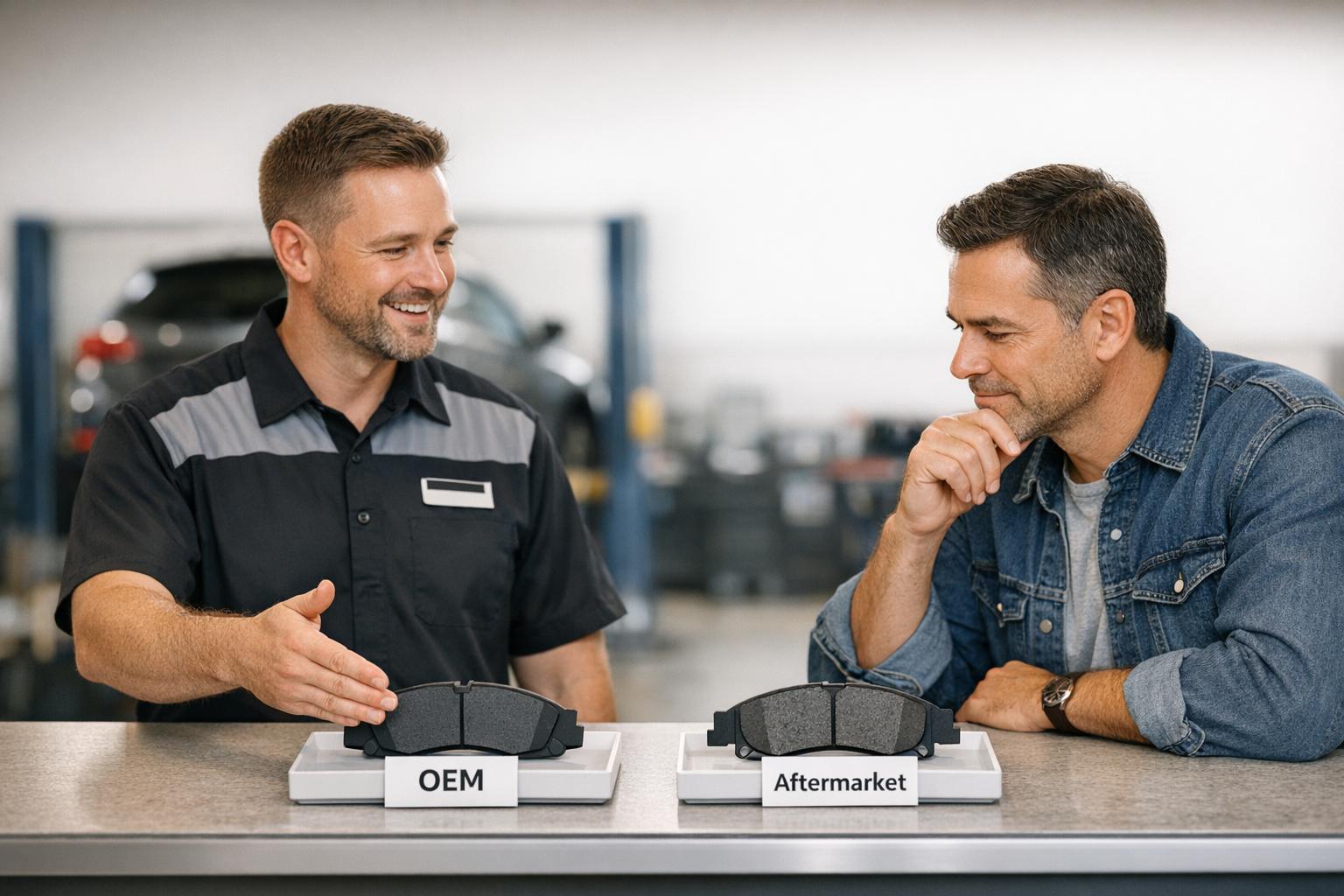
When repairing your car, you’ll often face a choice: OEM (Original Equipment Manufacturer) parts or aftermarket parts. Here’s the quick breakdown:
| Aspect | OEM Parts | Aftermarket Parts |
|---|---|---|
| Cost | Higher (20–60% more expensive) | Lower (20–50% cheaper) |
| Quality | Consistent, factory-grade | Varies by brand and manufacturer |
| Fit | Exact match | May require adjustments |
| Warranty | 1-year from automaker | Varies; some offer up to 5 years |
| Availability | Limited to dealerships | Widely available online and in stores |
When to choose OEM: For safety-critical repairs, newer cars, leased vehicles, or to maintain warranty and resale value.
When to choose aftermarket: For older vehicles, non-essential repairs, or when budget is a priority.
The choice depends on your priorities - cost, quality, or long-term value.

OEM vs Aftermarket Auto Parts Comparison Chart
OEM stands for Original Equipment Manufacturer. In the automotive world, OEM parts are made by your car's manufacturer or an approved supplier, following the exact specifications used during the vehicle's production. Essentially, these parts are identical to the ones your car was originally built with.
Sometimes, OEM parts come straight from the automaker. Other times, they’re produced by well-known suppliers like Bosch (which makes fuel injectors for Volkswagen) or ACDelco (which supplies spark plugs for General Motors). Regardless of the source, these parts meet the same strict standards required by the automaker. Often, they’re even rebranded with the vehicle manufacturer’s logo.
The biggest advantage? Guaranteed fit and performance. Because OEM parts are designed specifically for your car’s make and model, they fit perfectly and perform just as the original parts did. As Mia Bevacqua from RepairPal puts it:
"An OEM part is a direct replacement for what originally came on your vehicle. As such, it should fit right. That makes the repair easier and guarantees the part will perform well."
OEM parts also go through rigorous quality checks and comply with Federal Motor Vehicle Safety Standards. Most come with a one-year warranty supported by the automaker. This level of reliability is especially important for high-tech components like sensors or Engine Control Units (ECUs), where precision and compatibility are non-negotiable.
OEM parts bring several clear benefits to the table:
For critical safety components - like airbags, crumple zones, or structural parts - this level of quality assurance is vital. These parts are engineered to perform as intended, especially in scenarios like accidents, where precision can save lives.
There’s a common belief that OEM parts are always the best option. While they offer guaranteed fit and reliable performance, some high-quality aftermarket manufacturers create alternatives that might even improve upon the original designs. In this context, "OEM" means the part is the same as the original - not necessarily the absolute best choice.
OEM parts often come with a higher price tag. This cost reflects the rigorous quality checks, the automaker’s branding, and the dealership distribution network. However, they can provide long-term value through increased durability and even help maintain your car’s resale value.
Another misconception is that “Genuine” parts are superior to OEM parts. In reality, “Genuine” is often just a marketing term. It refers to OEM parts sold in packaging branded with the automaker’s logo, but the components themselves are identical to standard OEM parts.
Aftermarket parts are vehicle components made by third-party companies rather than the car's original manufacturer. As Ed Attanasio from AutoBody-Review.com puts it:
"An aftermarket part is any part for a vehicle that is not sourced from the car's maker".
These parts don't carry the automaker's logo and are sold under brands like NAPA or Duralast [6,7]. They can be reverse-engineered, often using different materials or manufacturing methods, and sometimes include design tweaks aimed at improving performance. Some aftermarket parts are universal, designed to fit multiple vehicle models, though they may require slight adjustments during installation.
The quality of aftermarket parts can vary widely. Certain manufacturers focus on specific components, building expertise that can result in parts that outperform their OEM counterparts - especially in categories like brakes and filters [3,7]. On the flip side, budget-oriented brands may use lower-quality materials, leading to products that might fail prematurely. As Mia Bevacqua from RepairPal explains:
"There are excellent parts (sometimes even better than OEM) and then there are those that are defunct straight out of the box".
Cost, availability, and warranty options are the major benefits of aftermarket parts. They typically cost 20% to 50% less than OEM parts [5,7], and in collision repairs, OEM body parts can be about 60% more expensive. Aftermarket parts are also easy to find, whether at local auto parts stores, independent repair shops, or online retailers, and they often ship faster than dealership-sourced OEM parts [2,3].
Warranty options can be another advantage. Some high-quality aftermarket parts come with warranties lasting 2, 3, or even 5 years - far longer than the standard one-year coverage offered by most OEM parts.
One of the standout features of aftermarket parts is their variety. With hundreds of manufacturers producing these components, there's a much broader range of options compared to the limited selection from a single OEM source. This competition not only increases availability but also helps keep prices down across multiple retail channels.
Aftermarket parts are ideal for non-critical repairs, such as replacing interior trim, decorative features, or routine maintenance items like filters and belts [5,7]. They're also a practical choice for older vehicles where resale value isn't a concern. In such cases, well-made aftermarket parts can deliver dependable performance at a fraction of the cost - as long as you stick to reputable brands or rely on advice from trusted technicians [2,7].
However, if your car is leased or still under warranty, it's important to check how using aftermarket parts might affect your coverage or lease agreement terms.
This mix of cost, performance, and availability makes aftermarket parts a versatile option, setting up a clear comparison with OEM components.
Let’s take a closer look at how OEM (Original Equipment Manufacturer) and aftermarket parts stack up against each other. Choosing between the two often comes down to what matters most to the customer - whether that’s cost, quality, fit, or availability. Each option has its own strengths and weaknesses, which can influence the decision based on the type of repair and the vehicle’s needs.
OEM parts are designed to match factory specifications, ensuring a precise fit and reliable performance. On the other hand, aftermarket parts provide a more budget-friendly alternative, though their quality can vary significantly. As Mia Bevacqua, an Automotive Expert at RepairPal, points out:
"OEM parts usually cost more than aftermarket. That cost, however, is offset if the component lasts a long time."
Insurance companies often lean toward aftermarket parts for collision repairs because they’re more affordable.
| Aspect | OEM Pros/Cons | Aftermarket Pros/Cons |
|---|---|---|
| Cost | Cons: Typically 20–60% pricier than aftermarket options | Pros: Lower cost, with savings ranging from 20–50%; competitive market |
| Quality | Pros: Consistent and built to meet factory standards | Pros/Cons: Quality varies - can be excellent or subpar, depending on the brand |
| Fit | Pros: Guaranteed exact fit, designed as a direct replacement | Cons: May not fit perfectly and could require adjustments during installation |
| Warranty | Pros: Comes with a standard 1-year manufacturer warranty | Pros/Cons: Coverage varies; some offer no warranty, while others go up to 5 years |
| Availability | Cons: Limited to dealerships and authorized retailers; may involve delays | Pros: Readily available in stores and online, often in stock |
| Variety | Cons: Only one option available, matching factory specifications | Pros: Wide range of brands, price points, and performance levels |
This breakdown highlights the main differences, making it easier to weigh the pros and cons based on individual priorities. Whether it’s about sticking to factory standards or saving money, the choice depends on what works best for the situation.
OEM (Original Equipment Manufacturer) parts are designed to fit your vehicle perfectly, adhering to the original factory specifications. As Mia Bevacqua, an ASE Master Technician, puts it:
"OEM parts offer dependable quality. They can last longer and perform better than many aftermarket parts, potentially saving money in the long run".
This precision is especially important for complex systems like sensors, engine control units, or body panels with specific crumple zones, where exact functionality is non-negotiable.
Another perk? OEM parts typically come with a one-year or 12,000-mile warranty, which helps preserve the factory coverage of your vehicle. Unlike some aftermarket parts that might void your warranty if they cause damage, OEM components ensure you stay protected. For leased vehicles, using OEM parts is often a requirement in lease agreements to avoid penalties when returning the car.
Additionally, opting for OEM parts can help maintain your car’s resale value. By keeping the vehicle’s specifications intact, you’re more likely to retain its book value. This makes OEM parts a smart choice for those looking to balance performance, reliability, and long-term value.
While the benefits of OEM parts are clear, they aren’t without downsides.
The most obvious drawback is cost. OEM body parts can be about 60% more expensive than aftermarket options. For everyday maintenance items like filters, belts, or brake pads, the price gap may be even steeper.
Another challenge is availability. OEM parts are often limited to dealership distribution, which can lead to longer wait times compared to the more accessible aftermarket network. Plus, with only one OEM version available for each part, you won’t find performance upgrades or specialized options in the OEM catalog.
These factors make it essential to weigh the pros and cons carefully, especially when cost and availability are key considerations.
One of the biggest draws of aftermarket parts is their affordability. These parts often cost 20%–50% less than their OEM (Original Equipment Manufacturer) counterparts and are easily accessible through local stores, garages, and online platforms. As AutoZone explains:
"Aftermarket parts can cost 20 to 50% less than similar OEM parts in many cases. Since multiple manufacturers can produce the same part, competition drives prices down".
Another perk is the range of options available. With numerous manufacturers in the game, you can find parts at various price points, including those with specialized features tailored to your needs. This variety can be especially helpful for older vehicles, as aftermarket manufacturers often continue producing parts for models that OEMs no longer support.
On top of that, some high-quality aftermarket brands provide extended warranties, offering coverage that can extend up to five years - well beyond the standard one-year warranty.
While the benefits are tempting, there are some drawbacks to consider. The quality of aftermarket parts can vary significantly. Since these parts aren't produced under the automaker's direct supervision, some may use lower-grade materials. As Ed Attanasio from AutoBody-Review.com points out:
"Some aftermarket parts are inferior because of the use of lower-quality materials. Use reputable aftermarket brands".
Another potential issue is fit and compatibility. Aftermarket parts might not align perfectly with your vehicle's specifications, which can lead to higher labor costs during installation. For components like body panels, improper fit could even compromise critical safety features, such as crumple zones.
Additionally, while using aftermarket parts won't automatically void your vehicle's warranty, dealerships might refuse coverage for repairs if the aftermarket part is found to be the cause of the damage. For those leasing a vehicle, it's worth noting that some lease agreements specifically require OEM parts, and failing to comply could result in penalties or the loss of your security deposit.
Safety becomes the top priority after a collision. OEM parts are specifically designed to restore a vehicle to its original factory condition, ensuring proper structural integrity and occupant safety. Ed Attanasio from AutoBody-Review.com underscores this point:
"When it comes to collision repairs, make sure you are getting OEM parts, since aftermarket body panels may not fit properly or have suitable crumple zones for crash safety."
Modern vehicles equipped with Advanced Driver Assistance Systems (ADAS) add another layer of complexity. These systems rely on precise sensor placement in components like bumpers, windshields, and mirrors, where even minor variations in thickness or curvature from aftermarket parts can disrupt features like lane assist or automatic braking. According to ER Collision & Auto Body Shop, such deviations can lead to system failures, and the NHTSA warns that improper calibration significantly increases crash risks.
For critical structural components - frame rails, pillars, and crumple zones - OEM parts are non-negotiable. They ensure the vehicle absorbs crash energy as intended. At Franklin Auto Body in Boise, Idaho, I-CAR GOLD CLASS certified technicians emphasize that safety-critical repairs demand the precision and reliability only OEM parts can deliver. This approach also helps maintain the integrity of repair warranties.
In addition to safety, warranty coverage plays a significant role in repair decisions. Federal law protects your right to use aftermarket parts without voiding your warranty. However, there’s an important caveat. The Federal Trade Commission clarifies:
"Automakers or dealers cannot deny warranty coverage simply because you used aftermarket or recycled parts. The only exception is if it can be proved that the part itself caused a problem."
For vehicles still under manufacturer warranty, recommending OEM parts eliminates the risk of claim denials. If an aftermarket part fails and damages other components, dealers can legally refuse to cover the repair. OEM parts, backed by a one-year manufacturer warranty, ensure compatibility and remove any potential disputes.
Leased vehicles are another case where OEM parts are often required. Many lease agreements specifically mandate their use for repairs, and failing to comply can result in penalties or even loss of the security deposit when returning the vehicle. Advising customers to request OEM parts in writing on their repair authorization form and keeping detailed invoices creates a clear paper trail, protecting both their investment and the vehicle’s resale value.
When discussing parts with customers, it's helpful to address cost differences right away. Price is often their biggest concern, and an analogy can make things clearer: think of OEM parts as name-brand products and aftermarket parts as store-brand alternatives. Both can do the job, but their consistency and reliability may differ.
OEM parts are designed to align perfectly with factory specifications and undergo rigorous quality checks. On the other hand, aftermarket parts vary significantly in quality, depending on the manufacturer.
Ed Attanasio from AutoBody‐Review.com explains it well:
"The saying 'you get what you pay for' is true here. Some aftermarket parts are inferior because of the use of lower‐quality materials".
For critical repairs - like structural panels, sensors, airbags, or advanced driver-assistance systems (ADAS) - OEM parts are crash-tested to meet precise vehicle standards. Aftermarket parts, however, might lack these features, potentially compromising safety systems such as blind-spot detection or collision warnings. While aftermarket parts might save money upfront, OEM parts can save you from future headaches.
While upfront cost is important, the long-term benefits of OEM parts shouldn't be overlooked. These parts help maintain your vehicle’s original condition, which preserves resale value and ensures compliance with lease agreements. In contrast, aftermarket parts could lead to penalties or reduced deposits.
Warranty coverage is another key factor. Federal law generally protects the use of aftermarket parts for routine maintenance. However, if an aftermarket part fails and causes additional damage, the manufacturer may deny warranty claims. OEM parts, which typically include a one-year warranty, eliminate this risk.
Mia Bevacqua, an ASE Master Technician, offers this perspective:
"OEM parts offer dependable quality. They can last longer and perform better than many aftermarket parts, potentially saving money in the long run".
For older vehicles or customers on a tight budget, aftermarket parts can be a practical choice for non-critical items like filters or brake pads. However, for newer cars - especially those under warranty or equipped with advanced technology - OEM parts are a wise investment in safety and long-term financial value.
Deciding between OEM and aftermarket parts comes down to what each customer values most. OEM parts are known for their precise fit and consistent quality, making them a strong choice for newer or leased vehicles and safety-critical repairs. On the other hand, aftermarket parts are often more budget-friendly, which makes them a good option for older vehicles or routine maintenance.
Clear communication is key to helping customers weigh these options. While aftermarket parts may save money upfront, OEM parts often provide better long-term value through warranty coverage and maintaining a vehicle’s resale value. For safety-related components and structural repairs, OEM parts ensure the vehicle performs as designed during a collision.
One major distinction is quality. Aftermarket parts can vary significantly, while OEM parts stick to consistent standards across all manufacturers. This reliability becomes especially crucial when dealing with advanced electronics or body panels that play a role in crash safety.
At Franklin Auto Body in Boise, Idaho, we guide customers by evaluating their vehicle’s age, warranty status, and specific repair needs. Our goal is to lay out the pros and cons in a way that aligns with their priorities - whether they’re focused on safety, cost, or long-term value. Personalized recommendations like these help customers feel confident in their decisions.
Every repair is unique, and the right choice depends on understanding the customer’s needs and goals. By asking the right questions and offering straightforward advice, we make sure each customer can choose what works best for them. This thoughtful approach ties together the comparisons and insights shared earlier, ensuring every customer drives away with peace of mind.
When choosing between OEM (Original Equipment Manufacturer) and aftermarket parts, it’s important to weigh factors like quality, fit, cost, and long-term reliability. OEM parts are made by the same manufacturer as your vehicle, guaranteeing a precise fit and dependable performance. While they generally cost more, they often come with solid warranty coverage and can help preserve your car’s resale value.
Aftermarket parts, on the other hand, are created by third-party manufacturers. They’re usually more budget-friendly and offer a broader selection, but their quality and compatibility can vary widely. For essential components, you’ll need to balance potential cost savings against possible effects on safety, reliability, and even warranty coverage. If you’re unsure which option to go with, professionals like the team at Franklin Auto Body can provide guidance to ensure you make the right decision for your vehicle.
Using aftermarket parts might impact your car's warranty if the parts don’t align with the manufacturer’s specifications. That’s why it’s crucial to review your warranty terms before deciding. While many aftermarket parts are well-made and can even surpass OEM standards, some may be perceived as lower quality, potentially affecting your car’s resale value. If you're unsure, it’s always a good idea to consult a trusted repair shop to help you make the right choice for your vehicle.
OEM (Original Equipment Manufacturer) parts are often the ideal option when precise fit and adherence to original safety standards are critical. These parts are especially important if your vehicle is still under warranty, as many warranties stipulate the use of OEM components to stay valid. Plus, choosing OEM parts can help preserve your car's resale value since they are designed to match the original specifications exactly.
If you're uncertain about which parts to choose for your repair, the experts at Franklin Auto Body in Boise, Idaho, are ready to help you make the right choice for both your car and your peace of mind.
