

December 7, 2025
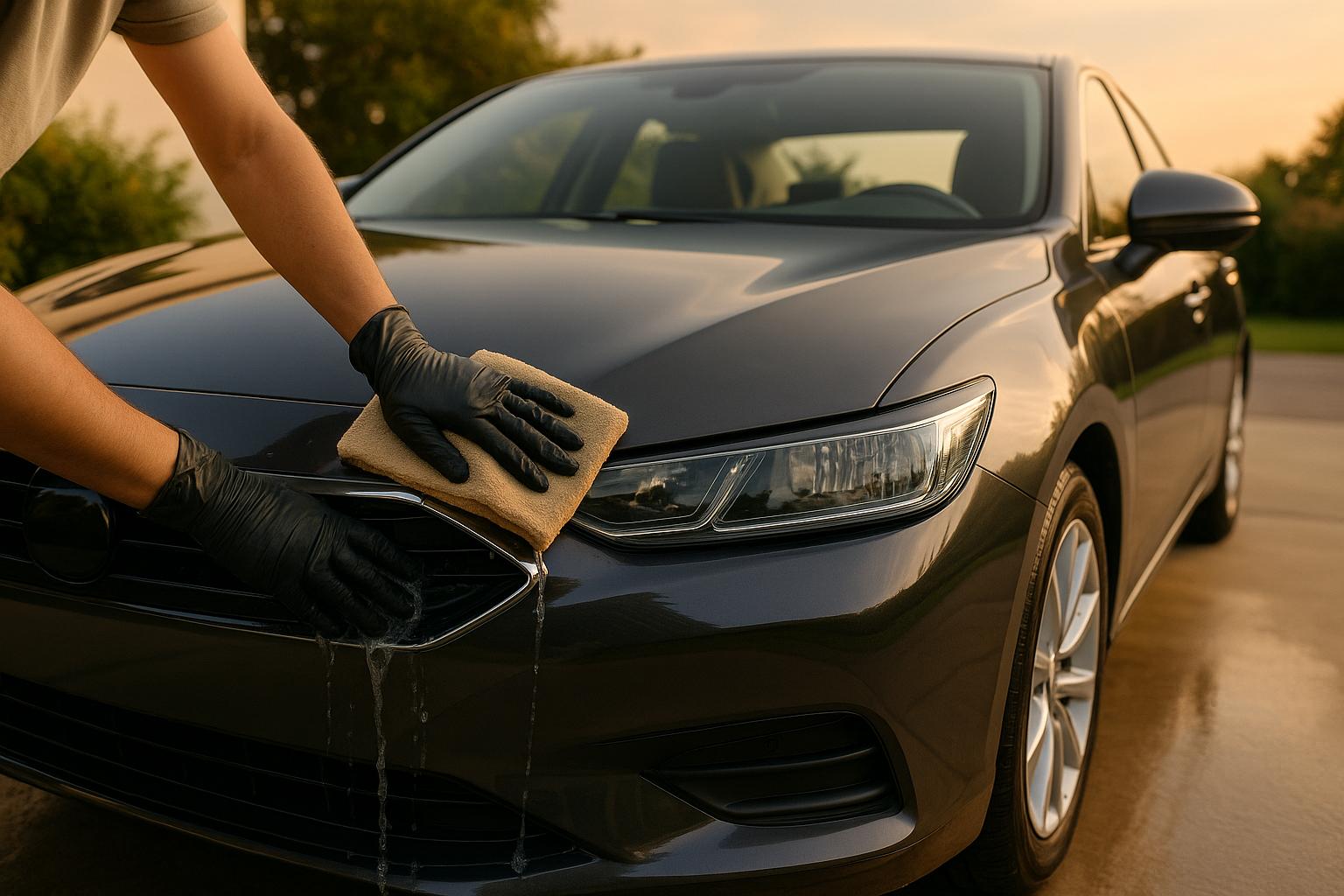
Getting your car professionally refinished is a big step in restoring its look and protecting its value. But the real challenge begins after you leave the shop. During the first 30 to 90 days, the paint is still curing, making it soft and vulnerable to damage. To keep your car looking great and protect your investment, follow these essential steps:
Once the curing period is over, maintain the paint with regular hand-washing, proper drying, and protective coatings like wax, sealants, or ceramic coatings. Each option offers varying levels of durability and shine, so choose based on your needs. Proper care ensures your car’s paint remains glossy and durable for years.
Even when paint feels dry to the touch, it’s often still in a soft, curing phase. Beneath the surface, a complex chemical process continues, sometimes for weeks or even months, as the paint matures and hardens.
Curing and drying are not the same. While the top layer of paint dries quickly - often within hours - curing focuses on the deeper transformation happening below. This involves solvents slowly evaporating and paint molecules bonding together, creating a tough, resilient finish.
During this time, the paint remains somewhat soft and porous. While the surface hardens relatively fast, it can take anywhere from 30 to 90 days for the deeper layers to fully cure. Some modern paint systems may complete this process quicker, while premium finishes might take even longer.
Once paint is fully cured, it reaches its peak hardness, chemical resistance, and durability. At this stage, it stops releasing solvents, and its molecular structure becomes stable. Until then, the paint is more susceptible to damage from washing, waxing, or exposure to contaminants, which can penetrate or mark the surface.
The clear coat is especially delicate during curing. Premature use of waxes, polishes, or harsh cleaning methods can disrupt the process, potentially trapping solvents or causing permanent imperfections. Proper care during this period is critical to ensure a flawless finish.
Several factors influence how quickly or slowly paint cures.
A few key variables can impact the curing process:
These factors explain why paint professionals often provide specific care instructions based on the season, paint products used, and local conditions. Following these guidelines and understanding the curing process ensures your car’s new finish stays protected and looks its best.
The first month after a professional paint job is critical for your car's finish. While the surface may look perfect, the paint underneath is still soft and curing. Any misstep during this period can lead to scratches or other flaws, affecting both the appearance and durability of your vehicle's paint. Taking the right precautions now will help protect your investment and keep your car looking its best.
Washing your car too soon after a repaint can disrupt the curing process. This happens because water, soap, and even the act of washing can interfere with the evaporation of solvents in the paint, potentially leading to imperfections like scratches or discoloration.
"The paint needs time to cure and water and soap can disrupt this process." - DaSilva's Auto Body
To avoid these issues, wait at least 10–14 days before washing your car, though 30 days is ideal. If your vehicle gets dusty or dirty during this time, use a damp microfiber cloth to gently blot away debris. Avoid dry wiping, as it can cause scratches on the soft paint.
Waxing or applying protective coatings too early is another common mistake. These coatings can trap solvents beneath the surface, preventing the paint from curing properly.
"Fresh paint needs time to cure properly. During this process, the solvents in the paint evaporate, allowing the paint to harden and bond with the car's surface. Waxing too soon can interfere with this process, potentially damaging the paint or reducing its longevity." - CARSTAR
For best results, hold off on waxing or applying any protective coatings for 60 to 90 days. This allows the paint to fully cure and achieve maximum durability.
During the first 30 days, fresh paint is especially vulnerable to UV rays and environmental contaminants like bird droppings or tree sap. Prolonged sun exposure can cause uneven curing or even fading, while contaminants can etch into the soft surface.
Whenever possible, park your car in a garage or a covered area to shield it from direct sunlight. If covered parking isn’t available, opt for shaded spots and try to avoid parking in direct sunlight during peak hours, typically between 10:00 AM and 4:00 PM.
If bird droppings or sap land on your car, act quickly but gently. Use a damp microfiber cloth to blot away the contaminant, softening it first without rubbing. Avoid using cleaning products during this period, as they can be too harsh for the curing paint.
Automatic car washes may seem convenient, but they can wreak havoc on freshly painted surfaces. The rotating brushes and high-pressure sprays can create swirl marks, scratches, or other damage to the uncured paint.
Skip drive-through and self-service car washes for at least the first 30 days. The brushes and high-pressure water can disrupt the curing process and even lift paint edges in sensitive areas.
In addition, abrasive cleaning tools like stiff brushes, rough sponges, or worn microfiber towels can scratch the soft finish. For the first month, stick to gentle blotting with a damp microfiber cloth and avoid scrubbing altogether.
"The fresh paint needs time to cure and harden. Not protecting it properly could damage the paint's finish, leading to noticeable imperfections which the shop will not be liable for." - Carwise Blog
Now that the initial curing period is over, it's time to start washing your car regularly to keep the newly refinished paint looking its best. But here's the thing - how you wash and dry your car is just as important as when you start. Using the wrong methods or tools can still harm the paint, even after the first 30 days. By sticking to proper hand-washing techniques and careful drying practices, you can preserve your car's finish for years.
Hand-washing remains the safest way to clean your car's fresh paint. It gives you full control over the process, helping to prevent scratches or swirl marks that automated systems can cause.
Once you're done washing, drying your car properly is crucial to avoid water spots.
Once you've nailed the proper washing and drying techniques, sticking to a regular schedule will help protect your car's paint.
Once you've nailed the curing and washing process, it's time to think about protective coatings. These coatings act as a shield for your paint, guarding it against UV rays, bird droppings, tree sap, and other daily hazards. They’re the key to keeping your finish in top shape.
Timing is everything when it comes to applying protective coatings. Your paint needs to fully cure before you seal it with wax, a sealant, or a ceramic coating. Jumping the gun can trap moisture or solvents under the coating, leading to issues like soft spots, discoloration, or even premature failure of the finish.
How long should you wait? Typically, 30–90 days, depending on the type of paint, the thickness of the layers, and the weather. Warm, dry conditions speed up curing, while cold or humid environments slow it down. Make sure the paint feels smooth and completely hardened. If you’re unsure, check with the shop that handled the paintwork - they can provide guidance based on the specific products and methods they used.
Once the paint is fully cured, it’s time to pick a coating that fits your needs. The main options are carnauba wax, synthetic sealants, and ceramic coatings. Each offers a different level of protection and durability, so the choice depends on your priorities.
Some car enthusiasts take a layered approach, applying a ceramic coating as the base and topping it with carnauba wax every few months for added shine. This method combines ceramic’s durability with the aesthetic appeal of natural wax, though it does require more upkeep.
No matter which coating you choose, preparation is key. The paint must be completely clean and free of contaminants before applying the coating. Many people use a clay bar treatment to remove any embedded particles that washing alone can’t eliminate. This ensures the coating bonds directly to the paint, not to dirt or residue.
A protective coating isn’t a set-it-and-forget-it solution. Regular maintenance is crucial to keep it effective. Here’s how often to reapply:
If your car is regularly exposed to harsh conditions - like intense sun, salty air, or heavy rain - you might need to reapply more often. A simple water test can help you gauge when it’s time: spray water on the surface. If it beads up tightly and rolls off, the coating is still doing its job. If the water spreads out or doesn’t bead at all, it’s time for a refresh.
Even ceramic coatings, known for their durability, need care. Regular washing prevents contaminants from bonding to the surface. Some ceramic coatings benefit from booster sprays or maintenance products that refresh their hydrophobic properties. Always follow the manufacturer’s care instructions to get the most out of your coating.
Between reapplications, your washing routine plays a big role in extending the life of the coating. Stick to gentle hand-washing with pH-neutral soap, and avoid abrasive tools or harsh chemicals. Automatic car washes with stiff brushes are a no-go - they can scratch the coating and even damage the paint underneath.
To stay on top of your maintenance schedule, mark application dates on your calendar or set reminders on your phone. This simple habit ensures your car always has a protective barrier, keeping the paint glossy and fresh for years. Not only will it look great, but it’ll also help maintain your vehicle’s resale value.
Even with the best care, certain mistakes can harm your freshly painted surface. Let’s look at some key missteps to avoid during the curing process to keep your paint looking its best.
Fresh paint is especially vulnerable to damage from extreme weather conditions. Prolonged exposure to intense sunlight, high heat, or freezing temperatures can lead to issues like discoloration, cracking, or peeling. To prevent this, try to park your vehicle in a shaded or climate-controlled garage whenever possible, especially during the early curing phase.
Another common hazard comes from contaminants like tree sap and bird droppings. These can etch into the clear coat if left untreated. If you spot them on your car, clean the area promptly using a gentle automotive cleaner and a soft microfiber cloth to avoid permanent damage.
While it might seem like a good idea to use a car cover for added protection, this can actually do more harm than good early on. Car covers tend to trap moisture, which can lead to water spots or even adhesion problems. It’s best to wait at least a month before using one, giving the paint ample time to fully harden.
Driving on rough or gravel roads too soon after refinishing is another mistake to steer clear of. Loose debris can easily chip the delicate new paint. Stick to smooth, paved roads during the curing period to ensure your paint job stays intact.
Taking these precautions can make a big difference in preserving the look and durability of your fresh paint.
Getting a professional paint refinish is a big step toward improving your vehicle's look and value. But the real work begins after you leave the shop. How you care for your car in the following weeks and months will play a huge role in keeping that fresh, glossy finish intact. This article covered the key steps to help you maintain a long-lasting shine.
The curing period is crucial. During the first 30 days, your paint needs time to fully harden. During this phase, avoid waxing, aggressive cleaning, or exposing the surface to harsh conditions. Jumping the gun on maintenance during this time can compromise the finish.
Once the curing period is over, focus on regular care. Hand-washing with the right products, applying protective coatings, and paying attention to detail will go a long way in preserving your car's appearance.
After getting a professional paint job, patience is key to preserving that fresh, flawless finish. The paint needs time to cure and harden completely, and jumping into washing or waxing too soon can interfere with this process. Washing prematurely might disrupt the curing, while waxing could trap moisture or minor imperfections, which could impact the final look.
As a general rule, wait at least 30 days before waxing and two weeks before using soap to wash the surface. In the meantime, stick to gentle methods like rinsing with water or wiping with a soft, damp cloth to clear away light dirt. This careful approach helps the paint settle properly, ensuring it stays durable and keeps its shine intact.
When your car’s paint is in the curing phase, it’s crucial to hand-wash it with care to keep the finish intact. Stick to warm water, a gentle car wash soap, and a soft sponge or microfiber cloth that won’t scratch the surface. Wash lightly without pressing too hard, and make sure to rinse thoroughly to clear away any soap residue. Steer clear of harsh chemicals, abrasive tools, or automatic car washes, as these can damage the fresh paint. Once washed, dry the car using a clean, soft towel to avoid water spots.
Choosing the right protective coating for your car’s paint comes down to a few important considerations. Start by assessing how much protection you’re looking for. If you want a nice shine with basic coverage, wax is a solid option. For something longer-lasting and more resistant to things like UV rays and dirt, sealants are a step up. If durability is your top priority, ceramic coatings stand out - they form a tough, protective layer that can last for years.
Your budget and maintenance habits also play a role. Wax is easier on the wallet but needs frequent reapplication. On the other hand, ceramic coatings cost more initially but require much less regular maintenance. Ultimately, the best choice is one that aligns with your needs and keeps your car looking great.
